
We supply thermal interface materials across the UK, supporting engineers, OEMs and manufacturers with reliable solutions for managing heat transfer between components and heatsinks. As an authorised distributor for Fischer Elektronik, we provide a comprehensive range of thermal interface materials including pads, foils, pastes, adhesives and silicone-free options.
Used across applications from PCB assembly to power electronics and LED systems, thermal interface materials are critical to achieving consistent thermal performance and long-term reliability.
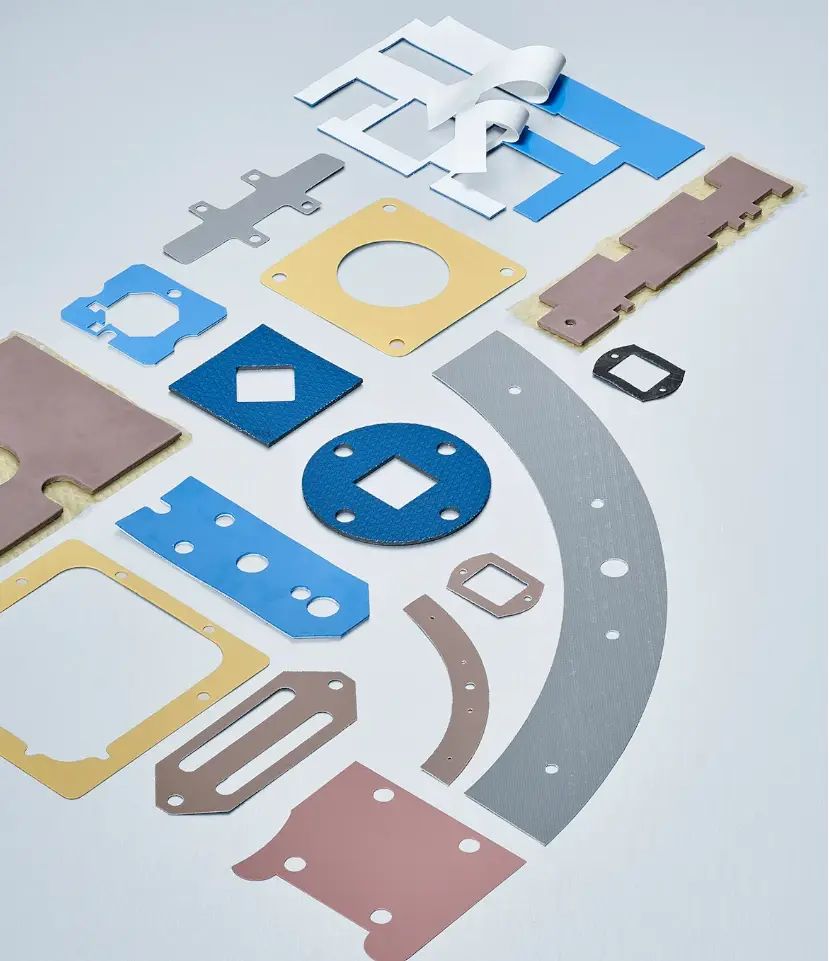
Browse our thermal interface materials by application.
Silicone and silicone-free foils, GEL pads and graphite materials for heatsink and PCB applications.
Insulating pads, mica and ceramic wafers and mounting kits for TO-220, DPAK and similar devices.
Pre-cut foils, clips and isolation accessories for enclosure and chassis assembly.
Thermal interface materials are commonly used in conjunction with heatsinks to improve heat transfer between the component and cooling surface.
Thermal interface materials are used across a wide range of electronic and industrial systems where efficient heat transfer is critical to performance and reliability.
Used between processors, power devices and heatsinks to improve thermal transfer and maintain stable operating temperatures in compact electronic assemblies.
Provides thermal conductivity and electrical insulation for devices such as TO-220 and DPAK packages in power electronics and control systems.
Ensures effective heat dissipation from LED chips to heatsinks, supporting consistent light output and extending component lifespan.
Supports thermal management in control units, power systems and onboard electronics operating in demanding environments.
Thermal interface materials are thermally conductive materials placed between two surfaces, typically a heat-generating component and a heatsink, to reduce thermal contact resistance.
Even machined surfaces contain microscopic irregularities that trap air, which has very low thermal conductivity. Thermal interface materials fill these gaps with a more conductive medium, improving heat transfer and ensuring heat flows efficiently from the component to the heatsink or enclosure.
Pre-formed materials including silicone elastomer foils, silicone-free foils and graphite sheets. These provide clean, repeatable installation and are widely used in heatsink mounting, PCB assemblies and power modules.
Thermal pastes offer low contact resistance and high performance where surface flatness is well controlled. They are typically used in applications where maximum thermal transfer is required.
Materials that soften or flow at operating temperature to improve surface contact. These combine ease of handling with improved thermal performance once in use.
Adhesive materials that provide both thermal conductivity and mechanical bonding. Used where components must be permanently fixed to a heatsink or enclosure.
Used in applications where silicone contamination must be avoided, such as optical systems, coatings or sensitive electronics.
Selecting the correct thermal interface material depends on a combination of thermal, mechanical and electrical factors.
Higher conductivity improves heat transfer. Standard materials range from one to three W/mK, with higher-performance options available.
Thinner materials reduce thermal resistance but require flatter surfaces. Thicker materials accommodate tolerances and uneven surfaces.
Adequate pressure improves thermal performance by reducing interface resistance. Some materials require compression to perform effectively.
Pads and foils provide consistency and ease of assembly. Pastes require controlled application. Adhesives provide permanent bonding.
Where electrical isolation is required, ensure the material meets the necessary breakdown voltage.
Choosing between pads, pastes and phase-change materials depends on your application and assembly process. Pads and foils provide clean, repeatable installation and are suitable for most production environments. Pastes offer the lowest thermal resistance but require controlled application. Phase-change materials provide improved contact during operation without the handling complexity of paste.
If surface flatness, pressure or contamination risk are factors, material selection becomes critical. We can recommend the most suitable solution based on your thermal load, interface conditions and assembly requirements.
Access detailed specifications, thermal conductivity data and product formats from the Fischer Elektronik range.
Fischer Elektronik is a leading heatsink manufacturer specialising in thermal management components, enclosures and interface materials. As an authorised UK distributor, we provide access to the full range of heat dissipating enclosures with consistent availability, technical support and compliance documentation. Products meet ISO 9001 standards and current RoHS and REACH requirements.
A thermal interface material is a thermally conductive material placed between two surfaces to improve heat transfer. It fills microscopic gaps that would otherwise trap air and reduce thermal performance.
Thermal pads are pre-formed and easy to apply, making them suitable for production environments. Thermal paste provides lower thermal resistance but requires controlled application.
Silicone-free materials are used where silicone contamination could affect performance, such as in optical systems or coating processes.
Many thermal interface materials provide electrical insulation as well as thermal conductivity. Always check the dielectric strength for your application.
Yes. Samples are available to allow evaluation before committing to volume supply.
Selection depends on thermal conductivity, thickness, surface conditions, pressure and application method. We can advise based on your specific requirements.